Business Name: BeeHive Homes of Crownridge Assisted Living & Memory Care
Address: 6919 Camp Bullis Rd, San Antonio, TX 78256
Phone: (210) 874-5996
BeeHive Homes of Crownridge Assisted Living & Memory Care
We are a small, 16 bed, assisted living home. We are committed to helping our residents thrive in a caring, happy environment.
6919 Camp Bullis Rd, San Antonio, TX 78256
Business Hours
Monday thru Saturday: 9:00am to 5:00pm
Facebook: https://www.facebook.com/sweethoneybees
Instagram: https://www.instagram.com/sweethoneybees19/
Choosing an assisted living home for an older parent or relative is one of those choices you feel in your stomach. It is monetary, medical, psychological, and relational, all at once. Families typically wait until a fall, a hospitalization, or caregiver burnout requires the issue, then rush to examine options quickly. That is when individuals make compromises they later regret.
A mindful, systematic approach makes a huge difference. With the right preparation, you can move from vague fear and regret to a clear understanding of what your loved one needs, what various neighborhoods really provide, and how to judge quality beyond shiny brochures.
I have walked this course with families who were overwhelmed, angry, and exhausted, and I have actually seen what assists. The details below are practical, not theoretical, drawn from years of dealing with senior care teams, residents, and relatives who desired the very best for individuals they love.
Start by comprehending what "assisted living" actually means
Many households think about assisted living as "a nursing home lite" or just "a place with aid offered." In reality, it occupies a particular niche in the senior care spectrum.
Assisted living is developed for older grownups who still have some independence however require constant help with everyday activities. Those activities include bathing, dressing, toileting, moving, consuming, and medication management. Homeowners usually reside in personal or semi-private apartments and share typical locations such as dining rooms, activity spaces, and outdoor courtyards.
Medical care is not as intensive as in a knowledgeable nursing facility. Most assisted living homes have nurses on-site or on call, however they are not set up for people who need round-the-clock medical tracking, complex wound care, or regular IV treatments. The focus is on assistance with daily life, security, social connection, and a structured environment.
You will also see marketing terms like "senior living," "retirement community," or "memory care." These can mean:
- Independent living: for fairly healthy elders who want social life and benefit however little to no hands-on care. Assisted living: for elders needing assist with everyday jobs but not complete nursing care. Memory care: safe and secure systems or separate neighborhoods for homeowners with dementia who need specialized guidance and programming. Skilled nursing: medical centers providing 24/7 nursing care and rehabilitation.
Understanding the differences prevents you from touring a community that looks gorgeous but is not medically proper, or from paying too much for more medical capability than your loved one in fact needs.
Clarify your loved one's genuine requirements, not just what they confess to
Most older adults underreport just how much assistance they need. Pride and worry of "being put away" drive them to say, "I'm great, I just need a little help," even when falls, missed medications, or unpaid expenses inform a different story.
Before you take a look at any specific assisted living home, take a sober stock in 4 locations: physical, cognitive, emotional, and practical.
Physically, note mobility, balance, strength, continence, and endurance. Does your loved one usage a walking stick or walker? Can they leave a chair securely? Do they tire after short walks? Have there been falls, even inexplicable ones? Falls are frequently the genuine tipping point for needing assisted living, even if the person can still bathe and dress independently most days.
Cognitively, take notice of memory, judgment, and orientation. People with early dementia may sound sharp in short conversations however struggle with multi-step jobs like handling medications or finances. Have you noticed repeated stories, forgotten appointments, or food spoiling on the counter? Did they ever get lost on a familiar path? Moderate cognitive decrease does not immediately need memory care, however it affects which assisted living set-up will be safe.
Emotionally and socially, think about mood, isolation, and coping. Depression in older adults is often masked as "slowing down." If your loved one hardly ever leaves home, prevents activities they when took pleasure in, or calls you multiple times a day out of solitude, they may take advantage of a community with strong social programming. Conversely, an exceptionally introverted person may feel overwhelmed in a large, hectic building and do better in a smaller, quieter home-like setting.
On the practical side, examine what you or other caretakers are presently doing. Who manages medications, drives to visits, purchase groceries, cleans, cooks, and does laundry? Make a list for yourself, even if you never ever show it to anyone. That list becomes your standard to compare with what each assisted living community reasonably provides.
Families that skip this self-assessment typically tour based on appearance and area alone. They might fall for a center that has lovely gardens, only to discover later on that it can not manage much heavier care needs when those requirements undoubtedly arise.
A simple structure for narrowing options
It helps to filter deep space of senior care alternatives into a workable shortlist before you begin visiting. Here is a succinct structure numerous households discover useful:
Define care level: Match your loved one's health, mobility, and cognition to the right level of care: independent living, assisted living, assisted dealing with memory care, or skilled nursing. Set a realistic budget: Include monthly costs, anticipated increases in time, and any "levels of care" additional charges. Do not forget to factor in existing expenses that will disappear, such as energies, home maintenance, and groceries. Choose a geographic radius: Choose how close the home ought to be to family, medical service providers, and familiar neighborhoods. More frequent visits usually matter more than a prominent zip code. Consider neighborhood size and culture: Review your loved one's character. Would they prosper in a busy 150-unit building with a jam-packed activities calendar, or a 20-resident board-and-care home that seems like a big shared house? Screen for deal-breakers: Animal policies, smoking cigarettes rules, religious association, language support, and the ability to age in place are all reasons to get rid of a neighborhood from your list before setting foot inside.Once you run through these filters, you typically go from a long, frustrating list of alternatives to 3 to 5 viable prospects. That number is much easier to examine thoroughly.
What to take note of when you tour
Brochures and sites show you décor, amenities, and smiling residents. A tour shows you how the location functions when nobody is watching. When I visit a new assisted living neighborhood, there are a number of things I focus on before I even sit down with the marketing director.
Walk slowly through the lobby, common locations, and halls. Take a look at locals' faces. Are individuals engaged and interacting, or dropped in chairs facing a television? Blended moods are normal, however if a lot of citizens look withdrawn or unattended for long stretches, that informs you something.
Notice smells, however do not overreact to a single incident. A short smell near a space might merely mean personnel is in the procedure of changing somebody. A heavy, continuous odor of urine or strong cleansing chemicals in typical areas signals chronic understaffing or bad housekeeping routines.
Watch personnel behavior. Are they strolling quickly yet calmly, or hurrying previous citizens without eye contact? Do you hear staff speaking respectfully, using names and explaining what they are doing? Or exist raised voices, impatience, or a great deal of "sweetie" and "honey" in place of real names? Culture shows in these small moments.
If you can, ask to see the dining-room throughout a meal rather than at 3:00 p.m. When it is empty and clean. How is the food served? Exist choices, and do homeowners get assist if they appear puzzled or physically limited? Is anyone sitting alone who looks like they would prefer business? Mealtimes are main to mood and nutrition in elderly care, and you can learn more in 30 minutes there than in an hour of sales talk.
Finally, observe security and security with the very same vital eye. Are exits plainly significant and alarmed if needed, especially in memory care locations? Are hand rails and grab bars placed where you would expect? Are there jumbled corridors that might cause falls? You do not need to be a structure inspector to get a strong gut sense of whether safety is taken seriously.
Staffing: the heart of quality senior care
Buildings do not supply care, people do. The most beautiful assisted living facility on paper can fail your loved one if staffing is too thin or too unstable.
There are 3 aspects to take a look at: staffing ratios, staff training, and turnover.
Staffing ratios in assisted living are not regulated as securely as in health centers or nursing homes, and numbers on a page can be misleading. A community may claim a "1 to 8" ratio, however that may consist of housekeeping or administrative personnel during particular shifts. Ask specifically the number of direct care personnel are on task throughout days, evenings, and nights, and how many residents they cover. A night shift with one caretaker for 30 homeowners who require help to the bathroom is a recipe for falls and accidents.
Training matters simply as much. Certified nursing assistants (CNAs), individual care assistants, and med techs need to all get routine training on dementia interaction, safe transfers, infection control, and emergency situation reaction. Do not hesitate to ask how brand-new staff are oriented and how typically they get refresher training. A community that invests in training typically has much better outcomes and less crises.
Turnover provides you a sense of culture and stability. Every facility has some staff turnover, particularly in lower-wage functions. What you want to see is a core of veteran workers who know citizens by history, not simply by room number. If the director of nursing and the administrator have both altered 3 times in two years, think about that a warning sign.
Families typically ignore how reliant their loved ones will become on a couple of essential staff members. Familiar caretakers can relax agitation, notification subtle modifications in health, and advocate for locals in ways that no policy handbook can replicate.
Using respite care and trial stays to lower risk
Many assisted living neighborhoods provide respite care, suggesting short-term stays that last from a couple of days to a few weeks. These are indispensable when you are uncertain whether your loved one is prepared for a move, or when you need a safe place while recuperating from caregiver burnout or a hospitalization.
Think of respite care as a test drive. Your loved one can experience the regimens, food, and social environment without the psychological weight of "I live here now." You get genuine information on how the personnel responds to their particular quirks and needs.
For example, I once worked with a family whose father always insisted he did not need help, then secretly called neighbors at all hours. He reluctantly agreed to "2 weeks of respite while my child travels for work." By day 5 he was playing cards every afternoon and sleeping through the night. The household and staff could then talk about a long-term relocation based on his actual experience, not speculation.
Not every respite stay is a perfect fit, which is details too. If your loved one returns home unpleasant and you discover the complaints match what you observed: bland food, rigid schedules, staff who seemed hurried, then you understand that particular community is not right. Better to discover that in 2 weeks than after selling a home and signing a long lease.
Reading the agreement and understanding the money
Financial structure is where numerous households get unpleasant surprises. Assisted living pricing can look uncomplicated on the surface, yet be intricate underneath.
Most neighborhoods have a base month-to-month rate that covers real estate, standard energies, some housekeeping, and basic meals. On top of that come "levels of care" or "service plans" based on just how much assistance your loved one requirements. Every assistance job, from medication administration to escorts to the dining room, can be connected to a point or tier system.

Ask for a composed breakdown of just what is consisted of in the base rate, and what sets off additional charges. If your loved one currently needs help with a couple of day-to-day activities, ask what the estimated cost will be if they later on need assist with 4 or five. Their requirements will almost always increase over time.
Pay attention to:
- Rate increase history over the last five years. Policies on holding a space throughout a healthcare facility stay. Refund terms for deposit or neighborhood fees. Charges for transport, incontinence supplies, and extra housekeeping.
Funding sources matter too. Long-term care insurance coverage might reimburse part of the expense, but just if the policy's criteria are met and the community files care appropriately. Some states supply Medicaid waivers for assisted living, however not all facilities accept them, and spots are limited. Veterans may have access to Aid and Presence advantages that can help balance out senior care expenses.
The time to figure out these details is before a crisis, not after a sudden stroke or a broken hip. Families who go in with clear eyes and a cushion for future needs manage transitions with far less stress.
Matching culture and activities to the individual, not the brochure
Activities calendars in assisted living brochures often look impressive: yoga, art classes, live music, trips, conversation groups. The concern is not the number of items appear on the list, however how well they fit your enjoyed one.
respite careIf your mother has never ever delighted in group crafts, she will not all of a sudden accept them due to the fact that they occur in a great activity room. If your father illuminate when speaking about history or gardening, you desire a neighborhood that offers genuine outlets for those interests, not simply bingo 3 times a week.
During your tour, ask to see homeowners throughout an activity, not simply a schedule on paper. Are people genuinely engaged, or do they appear like they are participating in due to the fact that there is absolutely nothing else to do? Are quieter options readily available for those who dislike noisy group events? Exist alternatives on evenings and weekends, when solitude can intensify?
Spiritual and cultural fit also matter. Some neighborhoods have strong religious identities, with regular services or pastoral care. Others are more secular. Language and food culture can be crucial for residents from varied backgrounds. A community that respects and reflects your loved one's identity supports self-respect and mental health in manner ins which are tough to quantify but simple to feel.
Family participation and communication
No matter how excellent an assisted living home is, household remains part of the care group. The healthiest circumstances I have seen are collaborations, where personnel, locals, and relatives communicate freely and often.
Ask how the community keeps households informed. Do they call you only when something fails, or do they proactively share updates? Is there a designated point person, such as a care planner or nurse, whom you can reach when you have issues? Are care plan conferences set up frequently, and can you join by phone or video if you live far away?
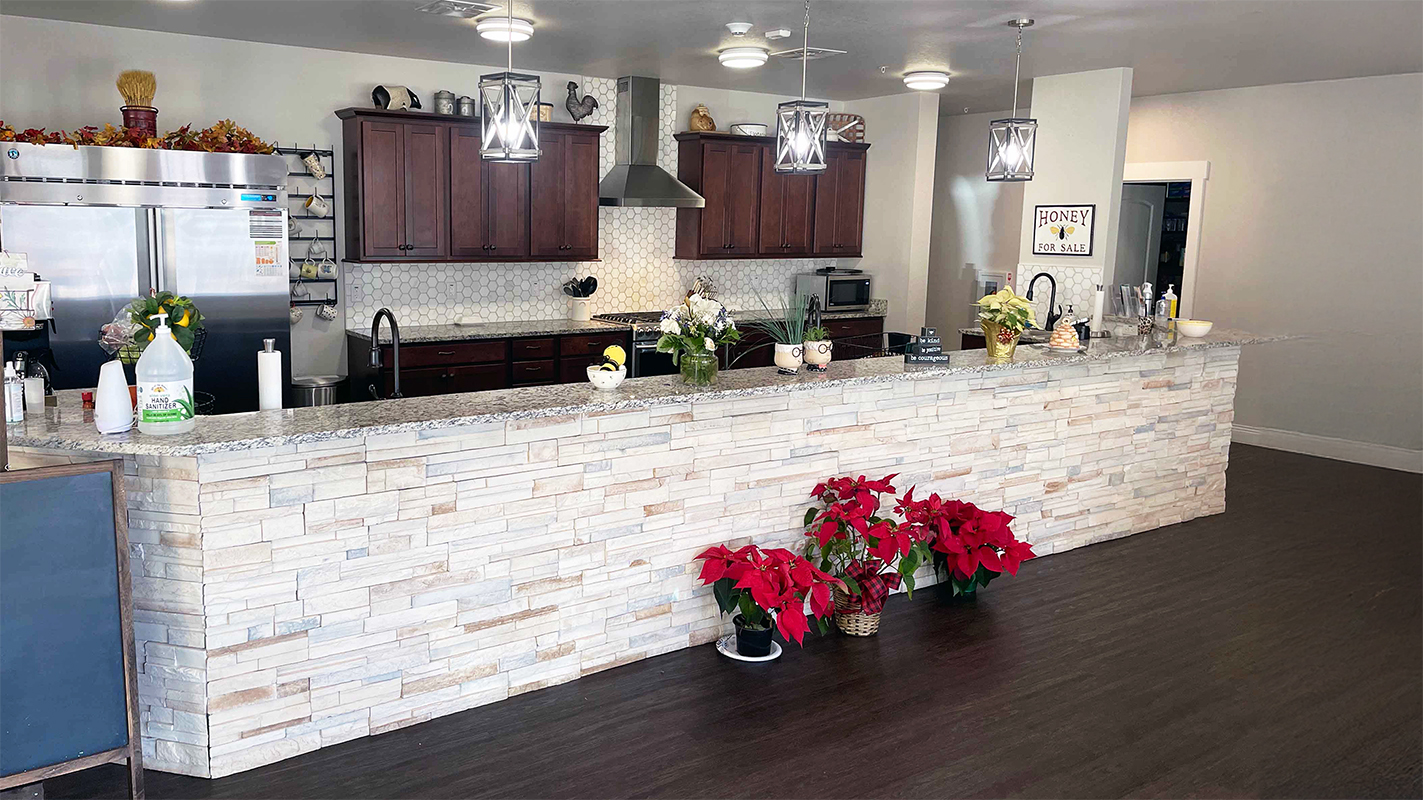
Clarify expectations about visits. Some communities encourage families to join meals, trips, or activities. Others are more hands-off. If you plan to stay heavily included with bathing, meals, or transportation, discuss this honestly. Assisted living homes require precise presumptions about what your loved one will get from family, both so they can plan staffing and to prevent misunderstandings later.
When communication breaks down, small concerns like a lost sweater or a small medication modification can deteriorate trust quickly. Communities that welcome questions and react without defensiveness tend to handle larger challenges better.
Red flags that deserve your attention
Not every flaw is a deal-breaker. A slightly outdated carpet or restricted parking might be bothersome but bearable. Other indication should prompt severe pause.
Be mindful if you see regular call lights going unanswered for extended periods, locals calling out for assistance without action, or personnel who appear inflamed or dismissive when homeowners are puzzled. Take note if you ask particular concerns about staffing, care treatments, or event reporting and receive vague, scripted responses instead of concrete information.
High administrative turnover, opaque monetary practices, or hesitation to share state assessment reports are also concerning. Every facility has citations and hiccups, however how leadership speak about past issues informs you whether they find out and improve or merely patch and move on.
Trust your instincts. Households often observe an undercurrent of tension, neglect, or disorganization that they can not instantly articulate. When you leave a tour sensation anxious, listen to that feeling and examine further.
Key questions to ask on every tour
To keep your visits focused and similar, it helps to use a constant set of concerns. You can adapt the wording, however the core subjects ought to not be avoided:
How do you examine a brand-new resident's requirements, and how often are those care plans updated? What is your common staff-to-resident ratio on day, evening, and graveyard shift, particularly for hands-on caregivers? What occurs if my loved one's needs increase? Can they stay here, and how are additional costs calculated? How do you manage medical emergencies, health center transfers, and communication with households during those events? Can you share current state inspection results or any substantial deficiencies, and how you resolved them?Write down the answers as quickly as you leave, while details are fresh. After touring a number of places, those notes will assist you cut through the blur of quite lobbies and similar-sounding promises.
Helping your loved one accept the move
Even when you discover an exceptional assisted living home, the emotional piece remains. Older grownups rarely state, "I can not wait to leave my home and move into assisted living." They might fear losing autonomy, friends, and familiar regimens. Some also bring stigma from earlier eras when institutional care indicated stark, hospital-like nursing homes.
Start conversations early, ideally before a crisis. Frame assisted living as a way to protect independence securely, not as a penalty or a final chapter. For instance, "If you are in a place with personnel around, you can keep taking walks and mingling without us hovering in concern."
Involve your loved one in options whenever possible. That may mean letting them choose in between two neighborhoods you have actually currently vetted, picking their own space décor, or deciding which familiar belongings to bring. Even small decisions can restore a sense of agency.
Expect uncertainty and some pushback. I have actually seen people who were mad and withdrawn for the very first 2 weeks slowly change when they realized they were not losing their household, just their risky seclusion. Frequent visits at the beginning help, as does preserving outside relationships and routines when possible, such as attending the same church or hosting household dinners on-site.
If your loved one has cognitive disability, decisions may eventually rest with you or another legal proxy. In those cases, focus on what you know of their enduring values. Did they always state, "I never want to wind up in a nursing home"? That does not immediately suggest they would oppose assisted living, which can feel really different. Analyze their wishes in light of current reality and safety.
The very first months: what to watch and when to adjust
The transition period after moving into assisted living is crucial. Residents and families need time to adapt to brand-new routines, people, and expectations. At the very same time, this is when you are more than likely to observe inequalities between what was guaranteed and what is delivered.
In the very first 30 to 90 days, focus on:
Energy and mood. Some initial fatigue is normal as your loved one adjusts to more stimulation, however consistent withdrawal, weight reduction, or agitation deserve attention. Ask personnel what they are seeing and whether adjustments to activities, roommates, or care regimens may help.
Care follow-through. Are the services documented in the care strategy really happening? For example, if your mother was expected to get aid with showers three times a week, does she feel tidy and comfortable, or is she still scared of falling in the bathroom?
Communication patterns. Are staff reaching out to you appropriately when there are changes in condition, medication, or habits? Do your calls get returned? Early patterns frequently forecast long-lasting experience.
If something feels off, address it early and particularly. Most assisted living homes choose to fix problems rapidly rather than let dissatisfaction simmer into resentment and talk of leaving. Sometimes a minor modification, such as changing medication times or seating arrangements at meals, considerably enhances quality of life.
In unusual cases, you may recognize that a community simply is not the ideal fit. When that takes place, do not see the relocation as a failure. You found out valuable info about what your loved one genuinely requires and what they are sensitive to. Use that insight to select more sensibly the 2nd time.

Choosing an assisted living home is not about discovering perfection. It has to do with discovering a place where your loved one can be safe, supported, and called an individual, not a room number. If you put in the time to comprehend their needs, ask clear concerns, observe carefully, and trust both proof and intuition, you give them and yourself something precious: the opportunity to move into this brand-new season of elderly care with less worry and more confidence.
BeeHive Homes of Crownridge Assisted Living has license number of 307787
BeeHive Homes of Crownridge Assisted Living is located at 6919 Camp Bullis Road, San Antonio, TX 78256
BeeHive Homes of Crownridge Assisted Living has capacity of 16 residents
BeeHive Homes of Crownridge Assisted Living offers private rooms
BeeHive Homes of Crownridge Assisted Living includes private bathrooms with ADA-compliant showers
BeeHive Homes of Crownridge Assisted Living provides 24/7 caregiver support
BeeHive Homes of Crownridge Assisted Living provides medication management
BeeHive Homes of Crownridge Assisted Living serves home-cooked meals daily
BeeHive Homes of Crownridge Assisted Living offers housekeeping services
BeeHive Homes of Crownridge Assisted Living offers laundry services
BeeHive Homes of Crownridge Assisted Living provides life-enrichment activities
BeeHive Homes of Crownridge Assisted Living is described as a homelike residential environment
BeeHive Homes of Crownridge Assisted Living supports seniors seeking independence
BeeHive Homes of Crownridge Assisted Living accommodates residents with early memory-loss needs
BeeHive Homes of Crownridge Assisted Living does not use a locked-facility memory-care model
BeeHive Homes of Crownridge Assisted Living partners with Senior Care Associates for veteran benefit assistance
BeeHive Homes of Crownridge Assisted Living provides a calming and consistent environment
BeeHive Homes of Crownridge Assisted Living serves the communities of Crownridge, Leon Springs, Fair Oaks Ranch, Dominion, Boerne, Helotes, Shavano Park, and Stone Oak
BeeHive Homes of Crownridge Assisted Living is described by families as feeling like home
BeeHive Homes of Crownridge Assisted Living offers all-inclusive pricing with no hidden fees
BeeHive Homes of Crownridge Assisted Living has a phone number of (210) 874-5996
BeeHive Homes of Crownridge Assisted Living has an address of 6919 Camp Bullis Rd, San Antonio, TX 78256
BeeHive Homes of Crownridge Assisted Living has a website https://beehivehomes.com/locations/san-antonio/
BeeHive Homes of Crownridge Assisted Living has Google Maps listing https://maps.app.goo.gl/YBAZ5KBQHmGznG5E6
BeeHive Homes of Crownridge Assisted Living has Facebook page https://www.facebook.com/sweethoneybees
BeeHive Homes of Crownridge Assisted Living has Instagram https://www.instagram.com/sweethoneybees19
BeeHive Homes of Crownridge Assisted Living won Top Assisted Living Homes 2025
BeeHive Homes of Crownridge Assisted Living earned Best Customer Service Award 2024
BeeHive Homes of Crownridge Assisted Living placed 1st for Senior Living Communities 2025
People Also Ask about BeeHive Homes of Crownridge Assisted Living
What is BeeHive Homes of Crownridge Assisted Living monthly room rate?
Our monthly rate depends on the level of care your loved one needs. We begin by meeting with each prospective resident and their family to ensure we’re a good fit. If we believe we can meet their needs, our nurse completes a full head-to-toe assessment and develops a personalized care plan. The current monthly rate for room, meals, and basic care is $5,900. For those needing a higher level of care, including memory support, the monthly rate is $6,500. There are no hidden costs or surprise fees. What you see is what you pay.
Can residents stay in BeeHive Homes of Crownridge Assisted Living until the end of their life?
Usually yes. There are exceptions such as when there are safety issues with the resident or they need 24 hour skilled nursing services.
Does BeeHive Homes of Crownridge Assisted Living have a nurse on staff?
Yes. Our nurse is on-site as often as is needed and is available 24/7.
BeeHive Homes of Crownridge Assisted Living & Memory Care has license number of 307787
BeeHive Homes of Crownridge Assisted Living & Memory Care is located at 6919 Camp Bullis Road, San Antonio, TX 78256
BeeHive Homes of Crownridge Assisted Living & Memory Care has capacity of 16 residents
BeeHive Homes of Crownridge Assisted Living & Memory Care offers private rooms
BeeHive Homes of Crownridge Assisted Living & Memory Care includes private bathrooms with ADA-compliant showers
BeeHive Homes of Crownridge Assisted Living & Memory Care provides 24/7 caregiver support
BeeHive Homes of Crownridge Assisted Living & Memory Care provides medication management
BeeHive Homes of Crownridge Assisted Living & Memory Care serves home-cooked meals daily
BeeHive Homes of Crownridge Assisted Living & Memory Care offers housekeeping services
BeeHive Homes of Crownridge Assisted Living & Memory Care offers laundry services
BeeHive Homes of Crownridge Assisted Living & Memory Care provides life-enrichment activities
BeeHive Homes of Crownridge Assisted Living & Memory Care is described as a homelike residential environment
BeeHive Homes of Crownridge Assisted Living & Memory Care supports seniors seeking independence
BeeHive Homes of Crownridge Assisted Living & Memory Care accommodates residents with early memory-loss needs
BeeHive Homes of Crownridge Assisted Living & Memory Care does not use a locked-facility memory-care model
BeeHive Homes of Crownridge Assisted Living & Memory Care partners with Senior Care Associates for veteran benefit assistance
BeeHive Homes of Crownridge Assisted Living & Memory Care provides a calming and consistent environment
BeeHive Homes of Crownridge Assisted Living & Memory Care serves the communities of Crownridge, Leon Springs, Fair Oaks Ranch, Dominion, Boerne, Helotes, Shavano Park, and Stone Oak
BeeHive Homes of Crownridge Assisted Living & Memory Care is described by families as feeling like home
BeeHive Homes of Crownridge Assisted Living & Memory Care offers all-inclusive pricing with no hidden fees
BeeHive Homes of Crownridge Assisted Living & Memory Care has a phone number of (210) 874-5996
BeeHive Homes of Crownridge Assisted Living & Memory Care has an address of 6919 Camp Bullis Rd, San Antonio, TX 78256
BeeHive Homes of Crownridge Assisted Living & Memory Care has a website https://beehivehomes.com/locations/san-antonio/
BeeHive Homes of Crownridge Assisted Living & Memory Care has Google Maps listing https://maps.app.goo.gl/YBAZ5KBQHmGznG5E6
BeeHive Homes of Crownridge Assisted Living & Memory Care has Facebook page https://www.facebook.com/sweethoneybees
BeeHive Homes of Crownridge Assisted Living & Memory Care has Instagram https://www.instagram.com/sweethoneybees19
BeeHive Homes of Crownridge Assisted Living & Memory Care won Top Assisted Living Homes 2025
BeeHive Homes of Crownridge Assisted Living & Memory Care earned Best Customer Service Award 2024
BeeHive Homes of Crownridge Assisted Living & Memory Care placed 1st for Senior Living Communities 2025
People Also Ask about BeeHive Homes of Crownridge Assisted Living & Memory Care
What is BeeHive Homes of Crownridge Assisted Living & Memory Care monthly room rate?
Our monthly rate depends on the level of care your loved one needs. We begin by meeting with each prospective resident and their family to ensure we’re a good fit. If we believe we can meet their needs, our nurse completes a full head-to-toe assessment and develops a personalized care plan. The current monthly rate for room, meals, and basic care is $5,900. For those needing a higher level of care, including memory support, the monthly rate is $6,500. There are no hidden costs or surprise fees. What you see is what you pay.
Can residents stay in BeeHive Homes of Crownridge Assisted Living & Memory Care until the end of their life?
Usually yes. There are exceptions such as when there are safety issues with the resident or they need 24 hour skilled nursing services.
Does BeeHive Homes of Crownridge Assisted Living & Memory Care have a nurse on staff?
Yes. Our nurse is on-site as often as is needed and is available 24/7.
What are BeeHive Homes of Crownridge Assisted Living & Memory Care visiting hours?
Normal visiting hours are from 10am to 7pm. These hours can be adjusted to accommodate the needs of our residents and their immediate families.
Do we have couple’s rooms available?
At BeeHive Homes of Crownridge Assisted Living & Memory Care, all of our rooms are only licensed for single occupancy but we are able to offer adjacent rooms for couples when available. Please call to inquire about availability.
What is the State Long-term Care Ombudsman Program?
A long-term care ombudsman helps residents of a nursing facility and residents of an assisted living facility resolve complaints. Help provided by an ombudsman is confidential and free of charge. To speak with an ombudsman, a person may call the local Area Agency on Aging of Bexar County at 1-210-362-5236 or Statewide at the toll-free number 1-800-252-2412. You can also visit online at https://apps.hhs.texas.gov/news_info/ombudsman.
Are all residents from San Antonio?
BeeHive Homes of Crownridge Assisted Living & Memory Care provides options for aging seniors and peace of mind for their families in the San Antonio area and its neighboring cities and towns. Our senior care home is located in the beautiful Texas Hill Country community of Crownridge in Northwest San Antonio, offering caring, comfortable and convenient assisted living solutions for the area. Residents come from a variety of locales in and around San Antonio, including those interested in Leon Springs Assisted Living, Fair Oaks Ranch Assisted Living, Helotes Assisted Living, Shavano Park Assisted Living, The Dominion Assisted Living, Boerne Assisted Living, and Stone Oaks Assisted Living.
Where is BeeHive Homes of Crownridge Assisted Living & Memory Care located?
BeeHive Homes of Crownridge Assisted Living & Memory Care is conveniently located at 6919 Camp Bullis Rd, San Antonio, TX 78256. You can easily find directions on Google Maps or call at (210) 874-5996 Monday through Sunday 9am to 5pm.
How can I contact BeeHive Homes of Crownridge Assisted Living & Memory Care?
You can contact BeeHive Homes of Crownridge Assisted Living & Memory Care by phone at: (210) 874-5996, visit their website at https://beehivehomes.com/locations/san-antonio/,or connect on social media via Facebook or Instagram
Residents may take a nice evening stroll through La Villita Historic Village — a historic arts community in downtown San Antonio featuring art galleries, artisan shops, and restaurants.